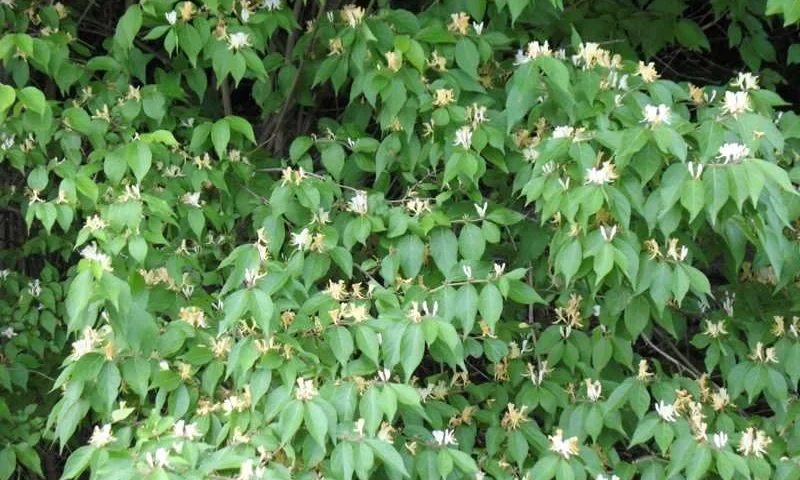
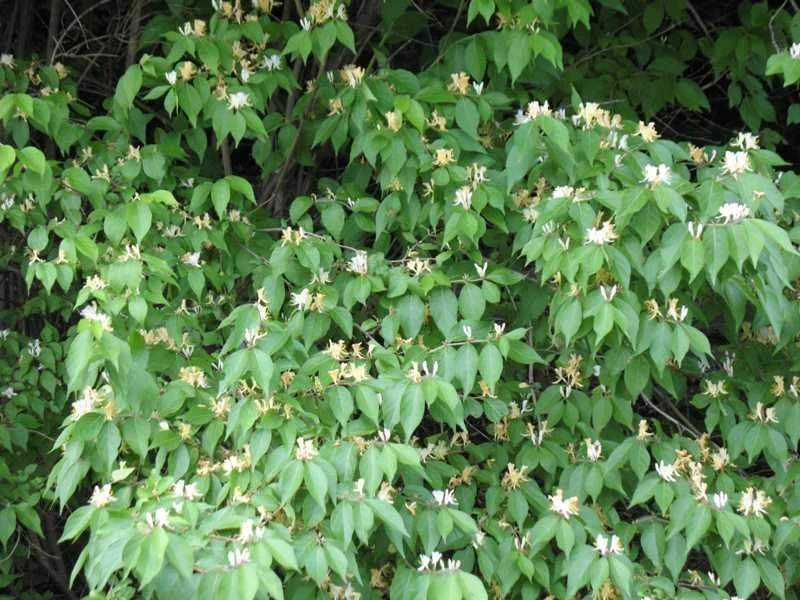
Bush Honeysuckle
Invasive Plant Species Removal in St. Louis: Protect Your Landscape Before Spring Takes Over
Invasive plants don’t wait politely. In St. Louis, species like bush honeysuckle, bamboo, aggressive vines, and thistle quietly take over woodlines, hillsides, and property edges—crowding out native plants, stressing trees, and destabilizing soil.
If your landscape feels harder to manage every year, you’re not imagining it. Invasive species grow fast, spread aggressively, and steal water, nutrients, and sunlight from everything around them.
At Quiet Village Landscaping, we help homeowners contain, remove, and replace invasive growth with long-term, healthier solutions—so your property stays beautiful, stable, and intentional.
What Are Invasive Plant Species and Why Are They a Problem in St. Louis?
Invasive species are non-native plants that spread aggressively and disrupt local ecosystems. In the St. Louis region, they thrive because of our fertile soil, variable weather, and wooded residential properties.
Common invasive plants we see include: Bush honeysuckle, Bamboo, Aggressive vines (like wintercreeper or English ivy), and more.
These plants may look harmless—or even useful at first—but over time, they create serious issues for both your landscape and the surrounding environment.
The Hidden Damage Invasive Plants Cause
They Choke Out Native Plants
Invasive species outcompete native plants for water, nutrients, and sunlight. Over time, they form dense thickets that prevent anything else from surviving beneath them.
They Stress and Damage Trees
Many invasive plants have shallow, aggressive root systems. When they grow near mature trees, they steal moisture and nutrients, weakening trees and increasing susceptibility to disease and storm damage. Vines can also climb and damage tree canopies.
They Increase Erosion—Especially on Hillsides
Bush honeysuckle and similar species have shallow roots that do not stabilize soil. On slopes, this leads to erosion, runoff issues, and long-term landscape failure—especially during heavy St. Louis rain events.
They Create a High-Maintenance Cycle
Invasive plants grow back quickly. Once established, they require constant cutting just to stay contained. It’s a short-term fix that becomes a long-term headache.
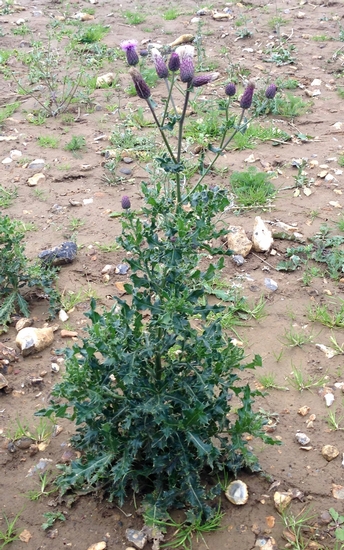
Canada Thistle
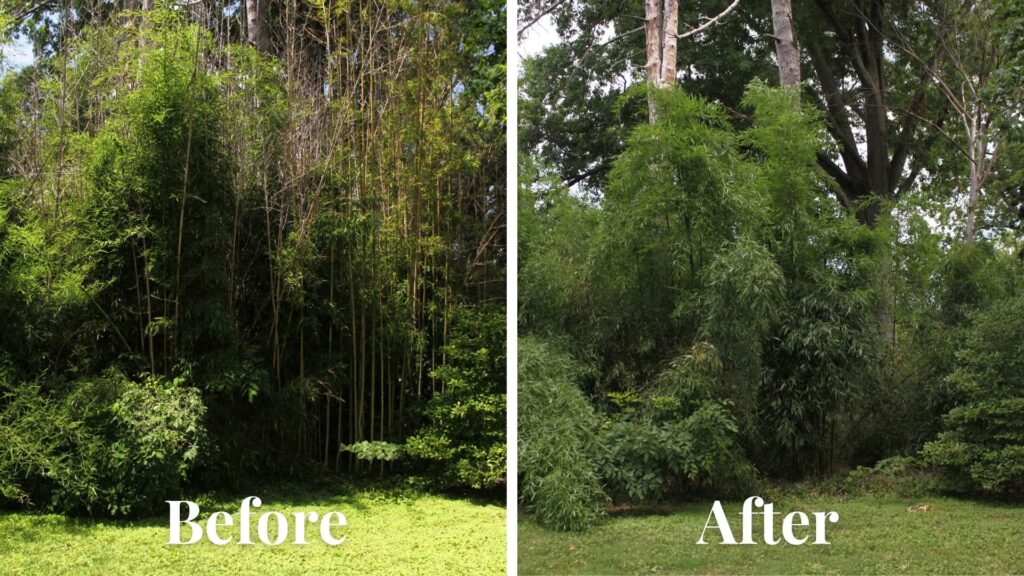
Heavenly Bamboo
“But I Like the Privacy…” — When Homeowners Choose to Keep Invasive Plants
We hear this often, especially with bush honeysuckle.
Some homeowners intentionally keep invasive species because they provide fast privacy along property lines or wooded edges. While understandable, this approach comes with trade-offs. If you choose to keep invasive plants temporarily, strategic containment is essential.
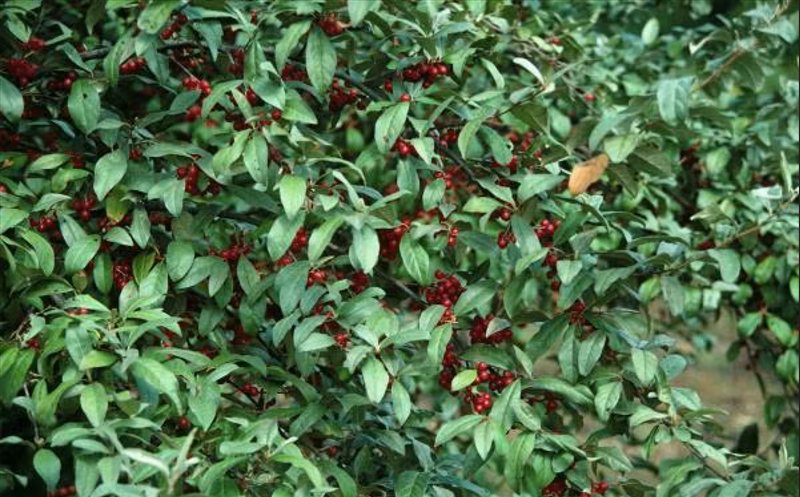
Autumn Olive
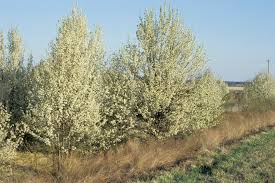
Callery Pear
Full Removal vs. Strategic Cutback: Your Options Explained
Full Invasive Species Removal
This involves cutting down and removing invasive plants entirely—often followed by a restoration plan using trees, shrubs, or native plantings.
Best for homeowners who want:
- Long-term landscape health
- Reduced maintenance over time
- Better erosion control
- Space to replant with trees or native species
Strategic Cutbacks & Containment
For homeowners who want to keep invasives for privacy (for now), we offer controlled cutbacks to prevent overgrowth.
Benefits include:
- Keeping plants contained to easement or boundary areas
- Preventing aggressive spring growth
- Improving sightlines and access
- Reducing stress on nearby trees
Why Winter Is the Best Time for Invasive Plant Species Cutbacks
Timing matters—and winter is your advantage.
Plants Are Dormant
Invasive species are not actively growing, making them easier to cut back without triggering rapid regrowth.
Leaves Are Down = Better Visibility
With foliage gone, it’s easier to:
- See where honeysuckle extends above native plants
- Identify vines climbing trees
- Understand how invasives are impacting your landscape
Prepare for Controlled Spring Growth
Many invasive plants can grow up to two feet in spring. Cutting them back now ensures they don’t explode out of control when warmer weather arrives.
Why Trees Are the Better Long-Term Privacy Solution
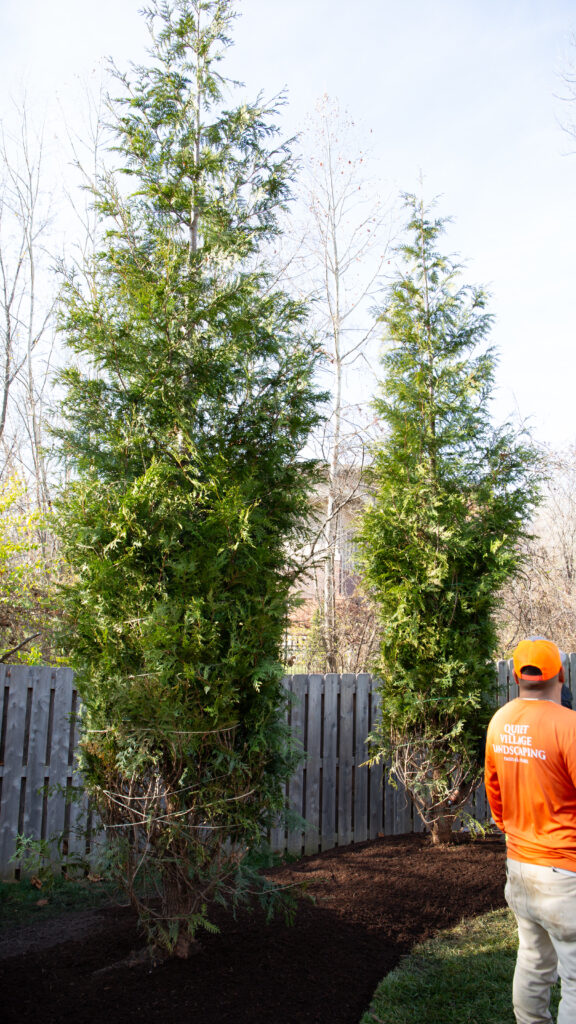
Invasive plants feel like a quick win, but trees are the real investment.
Trees Provide:
- Lasting privacy
- Shade that cools your home and lowers energy bills
- Deep roots that stabilize soil and manage stormwater
- Habitat for birds and beneficial wildlife
- Noise reduction
- Cleaner air
- Increased property value (often up to 15%)
Trees also make people happier. Seriously—studies consistently show improved mood and well-being around healthy tree canopies.
The Perfect Time to Plant Trees? Right Now.
Winter, early spring, and fall are ideal for tree planting in St. Louis.
- Less watering required
- Roots establish before summer heat
- Stronger growth long-term
- Healthier, more resilient trees
When paired with invasive species removal, tree planting transforms your landscape from reactive to intentional.
How Quiet Village Landscaping Handles Invasive Species Removal
Our approach includes:
- Assessment of invasive growth and surrounding landscape
- Full removal or strategic cutback based on your goals
- Woodline and hillside management
- Ongoing maintenance options to keep growth controlled
- Planning for long-term solutions like tree planting or native restoration
You’re never left guessing—and you’re never stuck managing it alone.
Ready to Reclaim Your Landscape?
Invasive species won’t fix themselves—and the longer they stay, the harder they are to control.
Whether you want full removal, seasonal cutbacks, or a long-term privacy plan using trees, Quiet Village Landscaping is here to guide the process and make it manageable.
Schedule a consultation today and take the first step toward a healthier, more resilient landscape!
Follow Us on Social Media for More Inspiration